

Key Takeaways
- Consistent maintenance and early detection are crucial for avoiding common plumbing problems in Clearwater.
- Staying informed about seasonal and local climate factors allows for better preparation and response.
- Engaging with qualified professionals and educating your household greatly reduces the risk of plumbing issues.
Maintaining a resilient plumbing system is a vital responsibility for homeowners in Clearwater, Florida. The combination of coastal humidity, unique weather patterns, and local vegetation can pose specific challenges that impact household pipes, fixtures, and drains. By learning the most effective preventive strategies, homeowners can significantly reduce the likelihood of costly repairs and keep plumbing systems functioning smoothly. For detailed support from a local plumber, understanding these best practices is the first step toward better home maintenance. Simple, practical steps such as routine checks, seasonal precautions, and educating every member of your household about plumbing care can ensure the longevity and effectiveness of your plumbing system. Taking these precautions protects not only your home’s infrastructure but also your peace of mind amid Clearwater’s ever-changing climate.
Residents who are proactive about plumbing care are less likely to encounter disruptive, expensive emergencies. Regular attention to pipe insulation, early identification of leaks, and a solid schedule for professional inspections can make a substantial difference in home maintenance costs. Should unexpected problems occur despite your best efforts, knowing when and how to reach out for emergency plumbing assistance ensures that any issue is addressed swiftly and prevents further damage. Homeowners can feel confident that they are taking all the right steps to protect their home’s plumbing health, no matter what the weather brings.
Regularly Inspect and Maintain Pipes
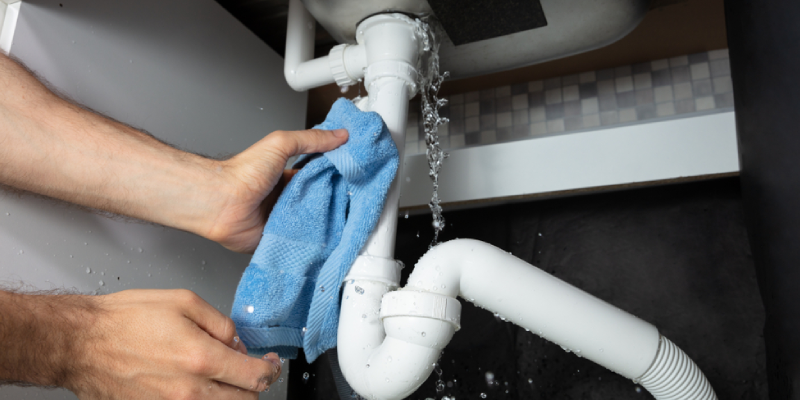
Plumbing pipes in Clearwater homes are vulnerable to the effects of coastal humidity, which accelerates both corrosion and the breakdown of materials. Examine any exposed pipes for early signs of leaks, rust, or mineral buildup. Pay close attention to joints and connectors, and if you notice discolored water or reduced pressure, have a professional investigate before the problem worsens. Routine maintenance helps catch small issues before they become expensive repairs.
Prevent Clogged Drains
Clogged drains are a frequent inconvenience that can disrupt daily routines and lead to damage over time. To prevent blockages, never pour grease or oily substances down the kitchen sink, as they can solidify and stick to the inside of pipes. Install simple mesh drain guards in bathroom showers and tubs to trap hair and debris. Frequent cleaning with safe household solvents, such as a mixture of hot water, baking soda, and vinegar, can also keep pipes running clear without harsh chemicals.
Protect Pipes During Temperature Fluctuations
While Clearwater is known for its warm, humid climate, winter cold snaps, though rare, can result in frozen pipes and costly water damage. Homeowners should insulate exposed or exterior pipes and keep an eye on forecasted temperature drops. During cold nights, let at-risk faucets drip gently to maintain water flow and reduce the risk of freezing. Opening cabinet doors beneath sinks allows warm air to circulate, further safeguarding pipes from sudden temperature shifts.
Address Tree Root Intrusion
Tree root intrusion is a common source of sewer blockages in neighborhoods with established landscaping. Carefully plan any tree planting well away from sewer lines and have a professional plumber inspect lines for root growth on a regular schedule. Installing root barriers and considering the placement of potential new vegetation can help minimize risk. If you notice slow drains or odd odors in your yard, these may be early warning signs of roots encroaching on pipes.
Be Mindful of Water Pressure
Excessive water pressure not only wastes water but also places unnecessary strain on pipes, joints, and fixtures. High pressure results in leaks and shortens the lifespan of appliances like washing machines and dishwashers. Homeowners can measure pressure using an affordable gauge from a hardware store. If it measures above recommended levels (usually 60 psi), installing a pressure regulator is a straightforward solution. For a more detailed guide on understanding water pressure, the Portland.gov resource is invaluable.
Schedule Professional Inspections
Annual or biannual inspections by a licensed, experienced plumber are a smart investment in your home’s long-term wellbeing. Professionals can identify hidden leaks, slow-forming blockages, and other subtle problems that are difficult to spot without the proper tools. Early preventative work spares homeowners costly emergencies, minimizes water waste, and maintains the health of both visible and underground plumbing systems.
Educate Household Members
One of the simplest ways to avoid plumbing issues is to ensure everyone in the home follows best practices. Teach household members which items should never go down toilets or drains (such as wipes, personal care products, or excess food scraps). Encourage everyone to notice and report any unusual water pressure drops, pipe noises, or signs of leaks. A brief household meeting to discuss these basics could prevent avoidable plumbing problems in the future.
Conclusion
Effective plumbing care comes down to preparedness, routine maintenance, and a prompt response when issues arise. Clearwater residents benefit by tailoring their efforts to the region’s unique environmental factors, staying vigilant for early warning signs, and working with trusted local professionals when necessary. Making these precautions a habit reduces repair costs, minimizes household disruption, and provides greater peace of mind.