

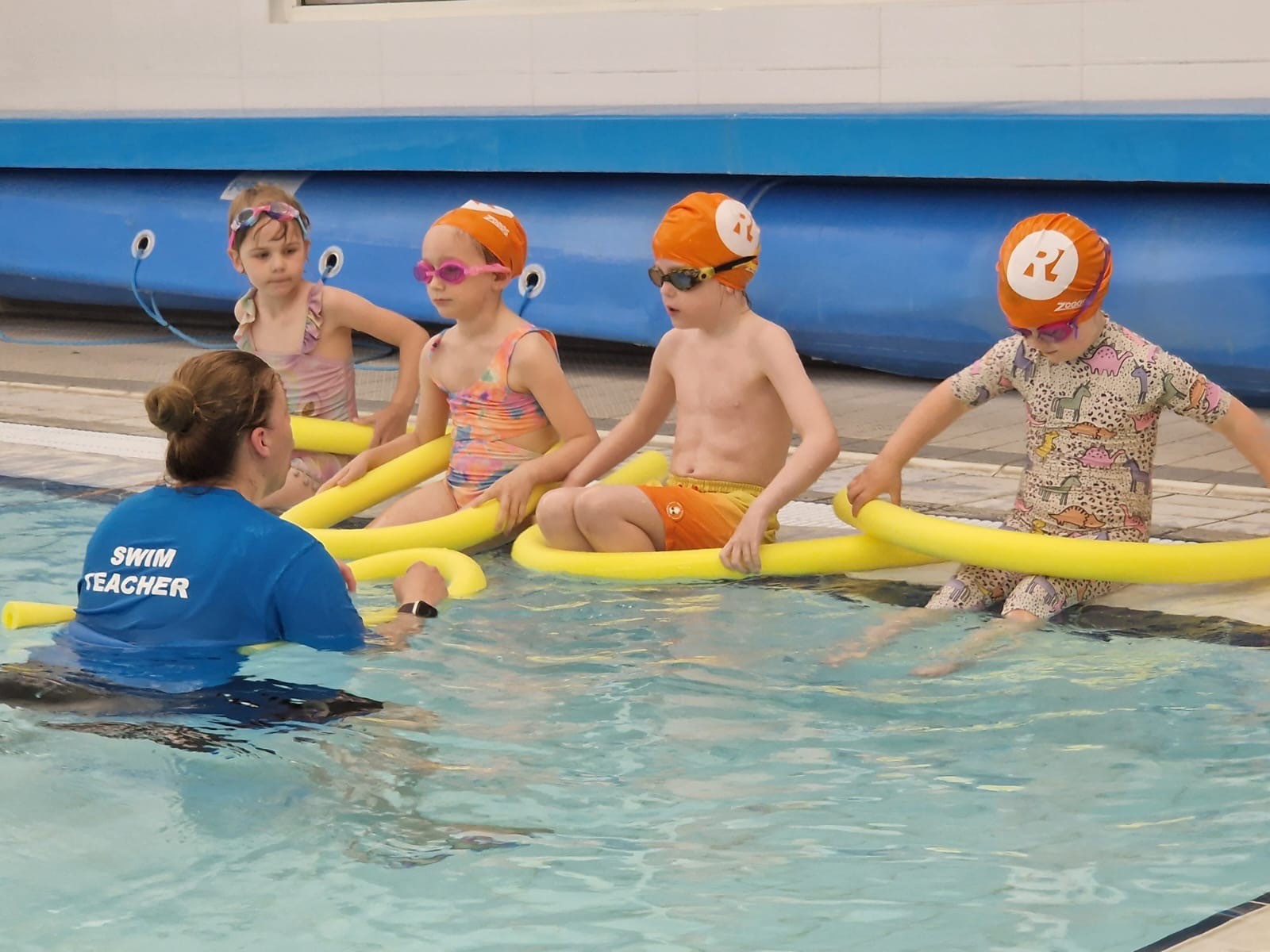
Strong endurance in the water often starts with one small habit swimmers barely notice: the timing of each breath. A swimmer who breathes with better control can move farther with less panic, less wasted motion, and steadier energy. Bilateral breathing helps create that control by teaching the body to breathe on both sides instead of depending on one familiar turn.
Learning to Breathe on Both Sides Changes Stroke Rhythm
Bilateral breathing trains swimmers to turn their head to both the left and right during freestyle, which helps the stroke feel more balanced. Many beginners in swimming lessons naturally breathe on the side that feels easiest, but that habit can make one arm pull stronger while the other side shortens or rushes. Over time, this uneven rhythm can slow the swimmer down before strength becomes the real issue.
Structured swimming lessons Springfield VA programs often use simple breathing drills to help swimmers feel the difference. Alternating sides teaches the arms, shoulders, hips, and head to work together instead of fighting each other. Once the rhythm becomes smoother, swimmers usually waste less energy with each length of the pool.
Oxygen Efficiency Becomes Noticeable During Longer Sets
Oxygen control matters more during longer swims because the body cannot keep moving well if breathing feels rushed. Swimmers who breathe only on one side may hold their breath too long, lift their head too high, or exhale too late. Those small mistakes can make the body feel tired much sooner.
Quality Springfield, VA swimming lessons often teach swimmers to exhale underwater before turning to inhale. That one habit makes breathing feel calmer and more predictable. During longer sets, bilateral breathing also gives swimmers more chances to take air without breaking their form. Parents and adults searching for swimming lessons near me often look for comfort in the water, but this skill also builds real stamina.
Balanced Muscle Engagement Reduces Early Fatigue
Repeated one-sided breathing can place extra stress on one shoulder, one side of the neck, and one side of the back. A swimmer may not notice the imbalance during a short practice, but fatigue often appears after several laps. That is why endurance is not only about lungs and fitness; it also depends on how evenly the body shares the work.
Well-run swimming classes near me often correct this by encouraging both-side breathing during freestyle drills. Alternating the breathing side helps the swimmer rotate more evenly through the torso. Better rotation spreads effort across more muscles instead of overloading one side. This can make the stroke feel cleaner while helping swimmers stay comfortable for a longer session.
Improved Body Position Leads to Less Drag
Drag is one of the biggest hidden reasons swimmers lose energy. A high head position, dropped hips, or uneven body roll can make the water feel heavier than it should. One-sided breathing often causes these problems because the swimmer keeps turning the same direction and may twist out of alignment.
Skilled instructors in swimming lessons watch for these subtle movements closely. They often teach swimmers to keep one goggle near the waterline, rotate from the body instead of the neck, and return the face smoothly after each breath. Better alignment helps the swimmer cut through the water instead of pushing against it. Less resistance means the swimmer can keep moving without burning energy on avoidable corrections.
Comfort in Open Water and Variable Conditions
Pool swimming feels controlled, but swimmers still benefit from having options. Lane traffic, glare from windows, splashing, or another swimmer nearby can make breathing to one side difficult. Bilateral breathing gives the swimmer another choice without causing panic or breaking pace.
Advanced swimming lessons Springfield VA swimmers may use this skill when preparing for fitness swimming, lap swimming, triathlon training, or outdoor water settings. A swimmer who can breathe comfortably on either side can adjust to the environment instead of forcing the same pattern every time. That flexibility supports endurance because the swimmer stays relaxed even when conditions change.
Mental Focus and Rhythm Become Easier to Maintain
Endurance also depends on staying calm. A swimmer who loses breathing rhythm often starts rushing the stroke, lifting the head, or stopping before the body is truly exhausted. Bilateral breathing gives the mind a pattern to follow, which can make longer swims feel more manageable.
Coaches may ask swimmers to breathe every three strokes, then adjust the count based on comfort and ability. This steady pattern gives the swimmer something simple to focus on while the body keeps moving. Clear rhythm reduces the chance of panic and helps swimmers understand pacing. For many students in Springfield, VA swimming lessons, that mental steadiness becomes just as valuable as the physical improvement.
Building Endurance Through Consistent Practice and Guidance
Developing bilateral breathing takes patience because the weaker side rarely feels natural at first. The swimmer may turn too far, swallow water, or lose timing for a few sessions. Those early struggles are normal, and they usually improve when drills are taught in small steps.
Experienced swim instruction can make the process less frustrating by breaking the skill into breathing, rotation, kick timing, and stroke rhythm. Many families and adults comparing swimming lessons near me or swimming classes near me look for programs that build confidence while still teaching strong technique. SafeSplash can be a helpful option for swimmers who want guided practice with skills like bilateral breathing, especially when endurance, comfort, and cleaner freestyle form are part of the goal.
 Lucille Wood