

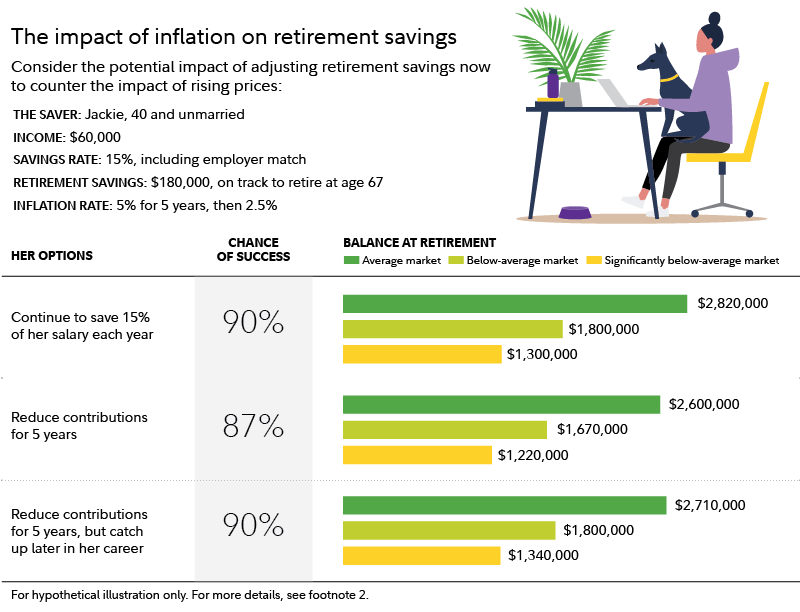
In an economic landscape often characterized by fluctuating prices, the need for robust financial foresight has never been more apparent. Inflation, the persistent rise in the general price level of goods and services, erodes purchasing power, making it essential for individuals and families to adapt their financial strategies. Preparing for and reacting to inflationary pressures isn’t merely about cutting costs; it involves a sophisticated approach to budgeting, saving, and investing that accounts for the dynamic nature of the economy. Developing an effective inflation impact planning strategy is crucial for maintaining financial well-being and achieving long-term goals.
Overview
- Understanding inflation’s specific effects on personal finances, from daily expenses to long-term savings.
- The importance of regularly reviewing and adjusting personal budgets to account for rising costs.
- Strategies for maintaining purchasing power by adjusting spending habits and identifying essential versus discretionary expenses.
- Approaches to protecting existing savings and investments by diversifying portfolios and considering inflation-hedging assets.
- The role of income generation and potential adjustments to salaries or side hustles in mitigating inflation’s bite.
- Long-term financial adjustments, including retirement planning and debt management, in an inflationary environment.
Understanding the Nuances of Inflation Impact Planning
For many individuals, the initial experience of inflation manifests as a noticeable increase in the cost of everyday items – groceries, fuel, utilities. However, the impact extends far beyond these immediate expenses. Inflation systematically diminishes the value of money over time, meaning that a dollar today buys less than it did yesterday. This directly affects savings, as the real return on money held in traditional savings accounts often struggles to keep pace with inflation, leading to a loss of purchasing power. Similarly, fixed-income investments can see their real value decline. In the US, for instance, the Consumer Price Index (CPI) is a key metric used to track inflation, and its movements provide a critical signal for individuals and policymakers alike. Effective inflation impact planning starts with a deep understanding of how these economic forces specifically interact with one’s personal financial situation. This involves analyzing income sources, current spending patterns, debt obligations, and investment portfolios to identify vulnerabilities. Acknowledging that inflation is not a uniform phenomenon and can affect different sectors and goods at varying rates is also a key part of this initial assessment.
Crafting Resilient Budgets with Inflation Impact Planning
One of the most immediate and tangible steps in adapting to inflation is to meticulously review and revise personal budgets. What might have been a sustainable spending plan a year ago could now be strained by increased costs for housing, food, and transportation. This re-evaluation is not about drastic cuts but about smart allocations. Start by tracking every expense for a month or two to gain a clear picture of where money is going. Then, categorize expenses into “needs” and “wants.” While essential needs will inevitably cost more during inflation, there might be opportunities to reduce spending on discretionary items or find more cost-effective alternatives for necessities. For example, planning meals to reduce food waste, opting for public transport, or re-evaluating subscription services can free up valuable funds. Building a larger emergency fund becomes even more critical during inflationary periods, as it provides a buffer against unexpected price hikes or income disruptions. Proactive inflation impact planning for your budget means not just reacting to price increases but anticipating them where possible and building flexibility into your financial framework. This continuous adjustment process is vital for maintaining financial equilibrium.
Protecting Investments Through Strategic Inflation Impact Planning
Inflation poses a significant threat to long-term wealth accumulation if investments are not appropriately structured. Holding too much cash, or investments that yield returns below the inflation rate, will erode wealth over time. Therefore, adapting investment strategies is a cornerstone of effective inflation impact planning. Diversification is paramount, spreading investments across various asset classes that tend to perform differently during inflationary cycles. Assets traditionally considered inflation hedges include real estate, commodities (like gold or oil), Treasury Inflation-Protected Securities (TIPS), and certain stocks in companies that can pass on increased costs to consumers. Rebalancing portfolios periodically ensures that your asset allocation remains aligned with your risk tolerance and financial goals, even as market conditions shift. For those nearing retirement, special attention must be paid to how inflation could diminish the purchasing power of their nest egg. Consulting a financial advisor can provide personalized guidance on structuring an investment portfolio that aims to protect and grow wealth in an inflationary environment, rather than letting it be silently eroded.
Long-Term Adaptations for Effective Inflation Impact Planning
Beyond immediate adjustments to budgeting and investments, successful adaptation to inflation requires a long-term perspective. This includes re-evaluating retirement savings goals and strategies. If inflation remains elevated, the amount of money needed for a comfortable retirement will be higher than previously estimated. This might necessitate increasing contributions, adjusting investment allocations, or extending one’s working years. Income generation is another crucial area for long-term inflation impact planning. Exploring opportunities for career advancement, acquiring new skills that command higher wages, or developing additional income streams through side hustles can help offset the rising cost of living. Furthermore, debt management plays a significant role. While fixed-rate debts can become relatively cheaper in real terms during inflation (as the value of the money paid back is less), new borrowing may come with higher interest rates. Therefore, prioritizing the repayment of high-interest variable-rate debt becomes even more critical. Staying informed about economic indicators and being prepared to periodically reassess and adjust all aspects of your financial plan ensures that your long-term financial health remains robust against the persistent challenges of inflation.