

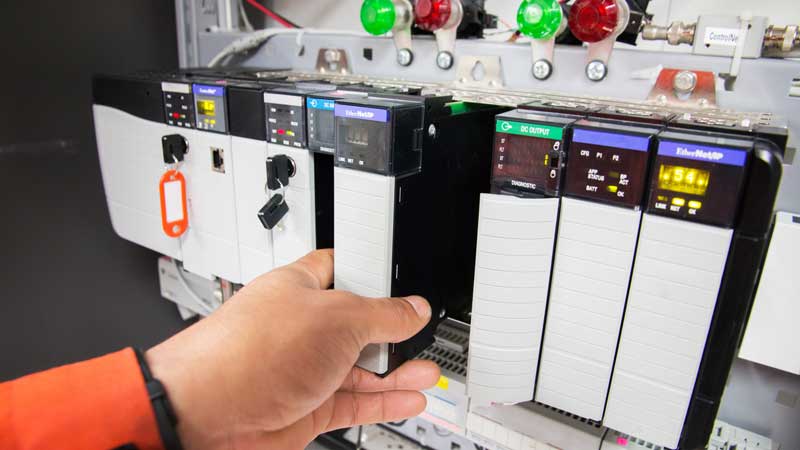
Aging automation systems rarely fail all at once; they decline in small, hard-to-detect ways. Performance gaps begin to show as processes evolve while control logic stays the same. Strong PLC programming keeps systems aligned with real-world demands instead of letting hidden faults build over time.
Legacy Code Drifts from Current Process Demands
Older control logic often reflects how a system operated years ago, not how it runs today. Production changes, added equipment, and updated workflows can slowly make legacy code less effective. Instructions that once worked smoothly may now create delays or inefficiencies.
A skilled PLC programming company reviews existing logic to match current process needs. Without updates, outdated sequences can cause bottlenecks that reduce output. Adjusting legacy code ensures the system reflects actual operating conditions rather than relying on assumptions that no longer apply.
Hardware Wear Creates Timing Faults in Control Loops
Physical components degrade over time, affecting how signals move through the system. Sensors may respond slower, relays may not switch cleanly, and processors may struggle under increased load. These changes disrupt timing within control loops, leading to inconsistent behavior.
A PLC system integrator evaluates both hardware and logic together to correct these issues. Adjustments in PLC programming can compensate for wear, improving stability. Ignoring timing faults often results in unpredictable performance that becomes harder to trace as systems continue to age.
Patch Fixes Stack up and Obscure Root Causes
Quick fixes applied over the years can create layers of temporary solutions within the code. Each patch may solve a short-term problem but adds complexity that hides deeper issues. Over time, these additions make the program difficult to understand and maintain.
A custom PLC approach helps simplify logic by removing unnecessary layers and addressing root causes directly. Cleaning up patch-heavy systems improves reliability and makes future updates easier. Clear structure within PLC programming allows technicians to diagnose problems quickly without working through outdated fixes.
I/O Drift Leads to Bad Reads and False Triggers
Input and output signals can shift due to wear, calibration issues, or environmental conditions. Small deviations in sensor readings may cause false triggers or missed signals within the system. These inconsistencies lead to incorrect decisions by the controller, affecting overall performance. A PLC programming company often recalibrates and adjusts logic thresholds to account for these changes. Monitoring I/O behavior helps maintain accuracy as systems age. Correcting drift ensures that signals reflect real conditions rather than misleading data that disrupts operations.
Outdated Logic Limits Safe Changes on the Floor
Older programs may lack the flexibility needed to support modern safety and operational updates. Adding new equipment or modifying workflows becomes risky when the existing logic cannot adapt easily. Limited structure within legacy code increases the chance of unintended consequences during changes. A PLC system integrator updates logic to allow safe modifications without disrupting ongoing operations. Improved design within PLC programming supports controlled adjustments that align with current safety standards. Systems benefit from code that can evolve without introducing new risks.
Vendor Support Fades for Older Firmware Versions
Manufacturers eventually phase out support for older hardware and firmware, leaving systems without updates or replacement parts. Lack of support makes troubleshooting more difficult and increases downtime when failures occur. A PLC programming company often works around these limitations by modernizing code and integrating compatible components. Updating firmware or transitioning to supported platforms helps maintain system reliability. Addressing these issues early prevents disruptions that come from relying on outdated technology with limited manufacturer backing.
Scan Time Creep Reduces Response Under Peak Load
As programs grow and additional logic is added, scan times can increase beyond acceptable limits. Slower scan cycles delay system responses, especially during high-demand periods. This delay can affect precision, timing, and overall efficiency. A custom PLC solution focuses on optimizing code to reduce unnecessary instructions and improve processing speed.
Streamlined PLC programming helps maintain quick response times even as system demands increase. Keeping scan times under control ensures that automation systems perform consistently under varying workloads.
Integration Gaps Appear with Newer Equipment
Modern equipment often uses updated communication protocols that older systems were not designed to handle. Integration challenges arise when new devices cannot communicate effectively with existing controllers. These gaps can lead to data loss, delays, or incomplete system coordination. A PLC system integrator bridges these differences by updating communication logic and ensuring compatibility. Adjustments in PLC programming allow older systems to work alongside newer technology. Successful integration keeps operations efficient without requiring a complete system replacement.
Facilities managing aging automation systems often rely on experienced teams like RL Consulting to maintain performance and reliability. Their approach focuses on refining PLC programming, updating outdated logic, and aligning systems with current operational needs.
Services such as custom PLC solutions, system integration, and code optimization help extend the life of existing equipment. Working with a trusted PLC programming company like RL Consulting ensures that aging systems continue to operate efficiently while adapting to modern demands.
 Lucille Wood